Sunday, April 29, 2012

Heraldic embroidered badge

Today I had the opportunity to present a piece that I finished a couple of months ago. It is a heraldic badge to go on a doublet. The project got off to a very rocky start as I had to begin over because I couldn't get the tension on the ground fabric right and the stitches kept pulling and warping.


I realised that the ground fabric was too flimsy, and started again on heavier fabric. This was much more successful.


The outer white edge was done in white crochet cotton in stem stitch. The blue was done in cotton perle thread in stem stitch. I used stem stitch because I wanted this area to stand out and be clearly defined. 


The inner white section is DMC blanc cotton (2 strands) worked in split stitch. The tree has padded leaves and is worked in DMC black 310 cotton in satin stitch (also 2 strands).

Once the stitching was complete and the device had been trimmed, rinsed and edged, I whipped the edges under and added a felt backing.


 I wanted the badge to stand out and not be too flat, so I added an extra, smaller piece of felt on the back. Then I edged the whole shield-shape with some silver gilt thread.


Here is the badge sewn on the recipient's new garb. The recipient is the perfect example of all the courtly graces, so I was very pleased that the badge looked so nice and was received so well.


Friday, April 27, 2012

Purple linen coat

Well, I bit the bullet! I tidied up my loose coat pattern, and cut it out in purple linen. The white bias binding is pre-rinsed and drying. I haven't cut a sleeve pattern yet because I am still making up my mind as to which style I will choose, but I will post pictures when I start getting somewhere with this project.

Thursday, April 26, 2012

The brain-bending big button experiment

Apologies for taking so long to post. I still haven't decided on garb for my upcoming event, but I have decided that I need a new overgown this year, so that may be what I end up wearing over one of my existing gowns. I have some lovely purple linen that I got for $4 a metre, and I plan to trim with white to echo my device colours.

I also decided that I would like another muff. I have a lovely one made by a friend, but when I was cleaning up I found a small piece of fabric that I bought years ago specifically to be made into a muff. The fabric is a browny-grey colour with a black pattern. I bought some very large wooden buttons and decided to experiment with doing a huge version of a covered button.

The big bead being covered
The beads are approximately 3cm across and are stained brown. I  measured out approximately 4.5 metres of black crochet cotton to cover the bead. I reamed out the centre hole with a bead reamer to remove any burrs or splinters that might abrade the thread. Then I started to create the 'spider-web' base. A normal small button takes me between 45 minutes and an hour to cover- I am very slow and like a thickly woven button. The picture above shows the big button after a couple of hours! Keeping all that crochet thread from tangling as I wove it through was really tough and made my brain hurt!

The muff I had planned would need five big button closures. It didn't take much calculating for me to realise that I currently do not have the time or patience to spend so much time on a non-essential project such as this! I do plan to complete the muff, but will focus on my event garb first, and will probably use smaller un-covered buttons as closures.

Wednesday, April 11, 2012

Dazed and confused - and excited!

I have been unwell, and also doing an intermittent spring- (autumn) clean in preparation for moving into my new sewing room. These things have meant that I still haven't made a start on my garb for the Midwinter Coronation. I haven't been able to do much hand-sewing because of pain and swelling in my hands and fingers, but I have been spending lots of my spare time looking at Renaissance portraits. Going through my fabric stash has been a mixed blessing - it is very exciting, but now I am even more confused about what style and fabric to choose for the upcoming event! I will have to decide soon, because time is ticking away...

Monday, April 2, 2012

Pomander Balls

Last week I experimented with pomander balls. I have made them from sixteenth century recipes in the past, but only have small stores of gum dragon (gum tragacanth) and orris root powder at the moment. I decided to experiment with a recipe of my own based on period sources.

I couldn't find a local source of gum arabic, and didn't want to wait, so I used powdered arrowroot. I mixed this with equal parts of powdered cloves, cassia and nutmeg because I love this combination of scents.

The spices about to be mixed with rosewater and arrowroot


I then added rosewater and mixed, then rolled them into small balls about the size of a walnut. The resulting balls were quite robust and have not cracked in the week since I made them. My hands smelt delicious after rolling them up!

The completed pomander balls

These balls will not be used for SCA use; they smell so lovely that I will be using them in my fabric and clothes cupboards. I will make more in future to go inside my pomanders. I hope to source some gum arabic in the mean time and so make a more accurate mix. I would also like to try rose and spice beads in the future. Here is a helpful site:  http://www.gallowglass.org/jadwiga/herbs/scents.html
although there are many interesting reproduction source books around, including Sir Hugh Plat's 'Delightes For Ladies".


Wednesday, March 28, 2012

Add another one to the list!

I have three unfinished loose kirtles sitting in my (huge) 'to-do' pile. This week I tried one on, and my body shape has altered. Now they look very weird! I need to re-do my pattern. At least you only see the foreparts under my Elizabethan coats. Another thing to add to the 'to-do' list!

Monday, March 26, 2012

Elizabethan coat ideas


Here are some ideas for the other option that I am considering for my upcoming event - Elizabethan coats or 'frocks'. The advantages with this option are that I have several that are mostly finished, I am familiar with construction techniques, I have ironed out the kinks in my pattern, I have completed loose under-kirtles that are ready to wear, and I can make a low-necked version to help keep me cool. The disadvantage is that I really need to wear a hoop to make this style look it's best on me, and that is not a hugely practical option.

I absolutely love this one below from http://www.tudorplace.com.ar/images/Cooke,Mildred(BBurghley)01.jpg One day I would like to make a complete outfit based on this portrait.


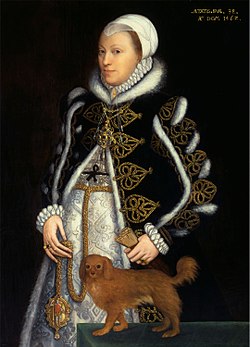
Catherine Carey 1562 - 


Hans Eworth's Portrait of An Unknown Lady c 1565 - shafe.co.uk


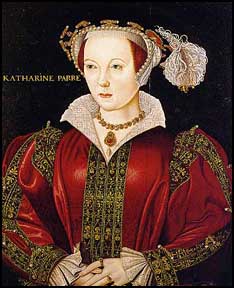
Portrait of Katherine Parr - luminarium.org


File:Bess of Hardwick as Mistress St Lo.jpg
Portrait of Bess of Hardwick as Mistress St Lo (1550s) - 


Portrait of Elizabeth Benlowes 1569  - modehistorique.com


Portrait of Mary Hill (1567) - kate meersonhistoricals.com


Portrait of Anne Russell, Countess of Warwick (c 1565) - lookandlearn.com


Portrait of An Unknown Lady (1567) - larsdatter.com


Anne Browne, Lady Petre (1567) - larsdatter.com


Mary Throckmorton, Lady Scudamore (1615) - threadtraveller.blogspot.com.au

Portrait of Lady Dacre by Hans Eworth (1547) - larsdattar.com


Portrait of Theophila, wife of third Earl of Worcester (1567) - larsdatter.com


Portrait of the family of Lord Cobham - myartprints.co.uk


Friday, March 23, 2012

Beautiful loose gown

I finally managed to get the results page for the Realm of Venus Over and Above Mini Challenge to load. Check out the winner Hannah Fuhriman in her lovely loose gown/zimarra

 http://realmofvenus.renaissanceitaly.net/challenges/IRCMC-Feb2012-Results.htm

Yep. Add another item to the wish list! I LOVE that coat! What a gorgeous creation.

Thursday, March 22, 2012

Dress Ideas


I am hoping to make it to Midwinter Coronation in July. Now I need to plan for what I will wear......

I have a real dilemma- there are so many dresses I would like!

Heading into winter, I try not to plan anything big because my health problems are always much worse during the colder months. In a normal year, I am lucky if my health problems allow me to make two or three big garments like coats or dresses.


If I went for something like the dress below, I wouldn't really have to modify any of my existing dress patterns much. But I always feel more confident in slightly later styles. Plus, so many of my dresses look the same.
Lorenzo Costa's Portrait of A Lady with A Lap-Dog


I really like Bianca Cappello's style. I love most of her outfits. The only thing is that I tend to get really hot because of my health issues, so these layers might be too much. Plus the ruff may not be the most practical accessory for a busy day and night.


Lavinia Fontana (1552-1614) Portrait of Bianca Cappello (1548-1587) - 1590- 
bjws.blogspot.com
 

I really love the coat below, and I have some very similar fabric to this in my stash. But I don't think I will be able to make the coat and underdress in time. One day I will own this ensemble though. I guess I had better add 'learn reticella lace making' to my long-term plan...


File:Alessandro Allori - Portrait of Grand Duchess Bianca Capello de Medici.jpg 


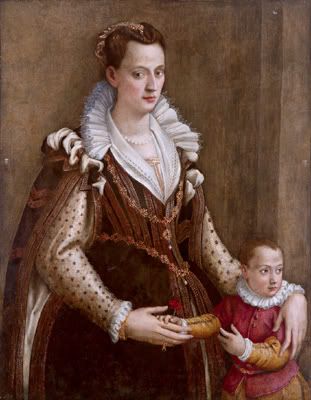
Now, this one would look much better on me in a darker colour. I like the sleeves just as they are. The only problem is that I think this style would not hide my belly as much as I would like. Also, I certainly couldn't get those sleeves done in time. There seems to be some intricate decoration in the white sleeve panes. Embroidery? Maybe one day this will grace my wardrobe!


  Possibly Isabella de Medici and her son by Allori (1574 )-http://aneafiles.webs.com/eleonoraditoledo.html 


Here is a different version of the same picture (from the same site).  


I like the 1530's big sleeve/big hat combo, and I think it looks OK on me, but I won't have time to do this sort of ornamentation. I probably won't have time to make a new balzo either. Plus, I did this style last year.


Lucretia by Lorenzo Lotto - lucyvivante.net 

Bordone's Portrait of A Woman with a Child (1530s) - kunst-fuer-alle.de
 

One day I will own a version of the two dresses below. 


Bernardino Licinio's Portrait of A Woman - terminartors.com

 
Another 'Portrait of A Woman' by Licinio - terminartors.com


I love this dress too, but the decorative features would take far too long to make it achievable this year. 


Bronzino's Portrait of A Young Girl With A Prayer Book - allpaintings.org


Finally, I think this is probably the most realistic Italian style for me, given all the limitations that are restricting the project. I could add an overgown for the feast in the evening. I really like the parti-coloured dress, but not for this event. I won't do a reproduction; I prefer to use a portrait as a reference and an inspiration but to change colours and decorative elements to suit my personal taste, style and budget.


http://habanera-nonblog.blogspot.com.au/2008/09/un-agosto-bologna-2.html 


I haven't put in any images of loose Elizabethan coats; that was the other option. I have several loose underkirtles and many accessories ready to go. The only thing that was putting me off about that option was the fact that I really need to wear a hoop skirt to make the Elizabethan 'frocks' or loose coats look nice, and I think it will be a crowded event.

I will have to think about it a bit more....


Sunday, March 18, 2012

Reproduction Playing Cards


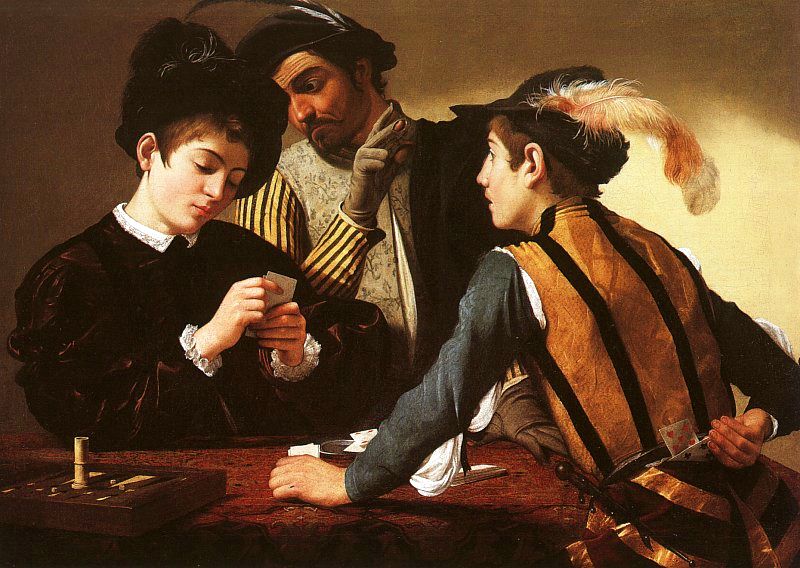
File:The Cardsharps.jpg
Caravaggio's 'The Cardsharps' (1594) -   
 

Today's post is of my first attempt at making some Medieval/Renaissance style playing cards. When I started researching them, I was amazed at the range of styles that were available prior to 1700. Some were miniature works of art.


Because I was just starting, I went for a very simple style. I used the same colour scheme as the original set. My cards are made from pasteboard and are coloured with gouache.


This extant set is very similar to my set:

16th C Swiss cards - http://worldradio.ch/wrs/news/switzerland/archivist-uncovers-deck-of-500-year-old-swiss-play.shtml


This uncoloured, extant example is also very similar to the deck that I reproduced:
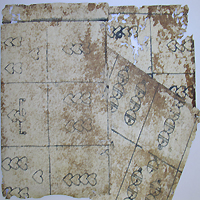
Three uncut sheets playing cards made with wood blocks that were found in Johann Spremberger's Ein kurtzer und gründlicher Bericht ... wider die pestilentischen Kranckheit
http://www.nlm.nih.gov/exhibition/bathtub/littletreasures.html - mid 16th C uncut cards


Here are some extant examples of renaissance playing cards:

Uncut sheet of playing cards, Giles Savouré, 1475-1500. Woodcut with stencil colouring on laid paper. Museum no. E.988-1920
http://www.vam.ac.uk/images/image/49190-popup.htm - French cards 1475-1500


mediumaevum:

  dated c.1430
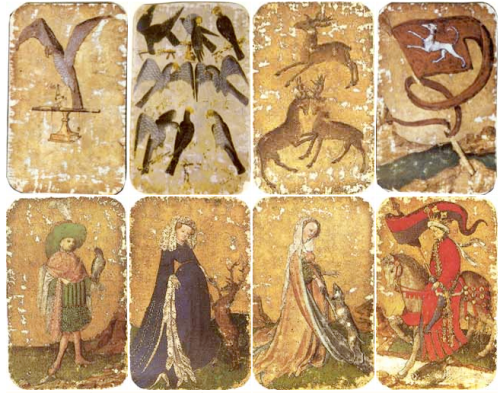
Originally in the collections of the dukes of Bavaria, these are considered amongst the earliest surviving sets of playing cards. The cards are made from pasteboard consisting of up to six sheets of paper glued together, over which, on the front side, a layer of gesso was applied. Outlines of the designs were scratched into the surface, while some details were drawn in with pen and ink. The entire surface was gilded and the designs were then painted over the gold. The backs are painted dark red.
The imagery in Hunting Books of the day, and on playing cards such as these which were destined for nobility, was often a parallel comment on moralia and human nature, although in this case the artist has portrayed the theme of hunting in a somewhat idyllic fashion with almost affectionate relationships between the female figures and the animals.
These cards were made by an unknown workshop in southern Germany, possibly Swabia. The artist has freely invented the suit symbols and the court hierarchy in relation to the theme of the courtly hunt.
source and individual cards if you like them
Pasteboard German cards c. 1430 - 
http://medieval.tumblr.com/post/5720716068/mediumaevum-dated-c-1430-originally-in-the